
Intermittent Fasting and 2-Meal Protocol: The Foundation for Health and Energy
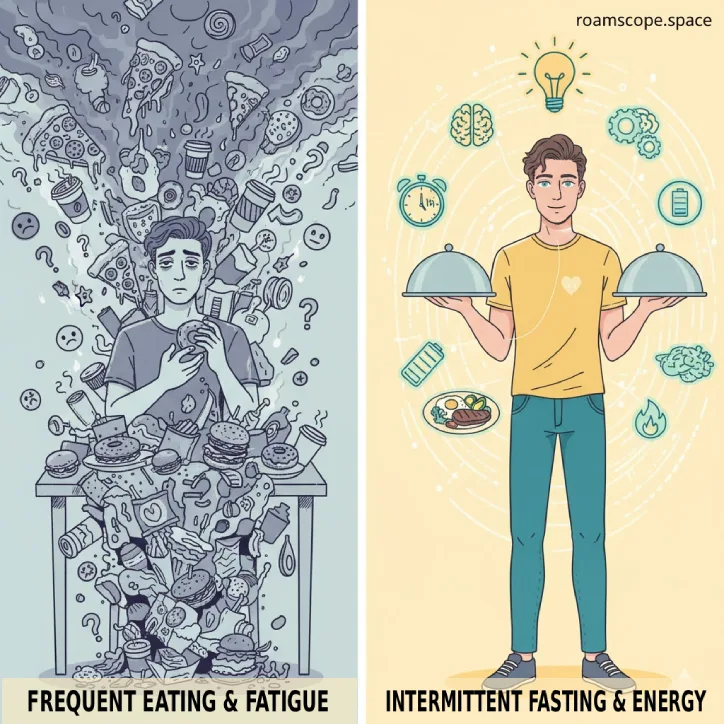
If OMAD (One Meal a Day) is the peak of the pyramid, then Intermittent Fasting (IF) and two-meal-a-day protocols are the solid foundation upon which metabolic health is built. Many fear the word “fasting,” but in reality, it is simply a return to our body’s natural, biological rhythm.
What is Intermittent Fasting?
Intermittent Fasting isn’t about starving yourself; it’s about controlling your “feeding window.” The most popular protocol is 16/8: you eat within an 8-hour window and fast for the remaining 16 hours. During this fasting period, your body switches from “storage mode” (driven by constant insulin spikes) to “burn-and-repair mode.”
The 2-Meal Protocol: Why Less Is More
For years, traditional dieticians recommended eating 5–6 small meals a day. Today, we know better: every time you snack, you trigger an insulin response. By eating only twice a day, you give your insulin levels a massive window of time to return to baseline.
Key Benefits:
- Weight Management: It is much easier for your body to burn stored fat when it isn’t constantly processing new food.
- Sustained Energy: You eliminate the blood sugar “rollercoaster” that typically causes the mid-afternoon energy slump.
- Autophagy: Fasting stimulates cellular cleanup, a vital process for longevity and health.
Who Is This For?
Two-meal-a-day eating is a sustainable, comfortable lifestyle for most people. It is perfect for anyone looking to optimize digestion and boost productivity. However, if you have chronic health conditions, adrenal fatigue, or are under severe chronic stress, it’s best to start gradually. Your body needs time to adapt to a non-constant food supply.
DISCLAIMER: This article is for informational purposes only. Transitioning to intermittent fasting or any other dietary regimen should only be done after consulting with a qualified healthcare professional. Self-experimentation without considering your personal health profile can lead to negative consequences.
My Personal Experience: Finding Balance
I often share my journey here, and I don’t believe in rigid dogmas. I alternate between OMAD and a 2-meal intermittent fasting schedule. On days when I have heavy mental tasks (like writing scripts or learning Python), the 2-meal protocol gives me stable, consistent energy without the “food distraction.” It allows me to stay deeply focused on my work.
Conclusion
Intermittent Fasting and eating twice a day aren’t about restriction—they are about freedom. Freedom from constant hunger, freedom from midday lethargy, and freedom from being a slave to the refrigerator.
If you want to start your health journey, try simply cutting out the snacks and tightening your feeding window. It’s the first step that changes everything.
On this blog, I document my progress in personal development, health, technology, and science. If you found this article helpful, please share the link on your social media.
If you wish to support my work and the growth of this blog, you can leave a donation. Any support on my journey is deeply appreciated!




 Support our blog! Buy us a coffee, and we'll show you the world! ☕🌍 We need your help! Even a small amount will help us continue to delight you with interesting travel articles. Thank you for your support! 💖