
Catholic Christmas: History, Traditions, and Global Celebrations
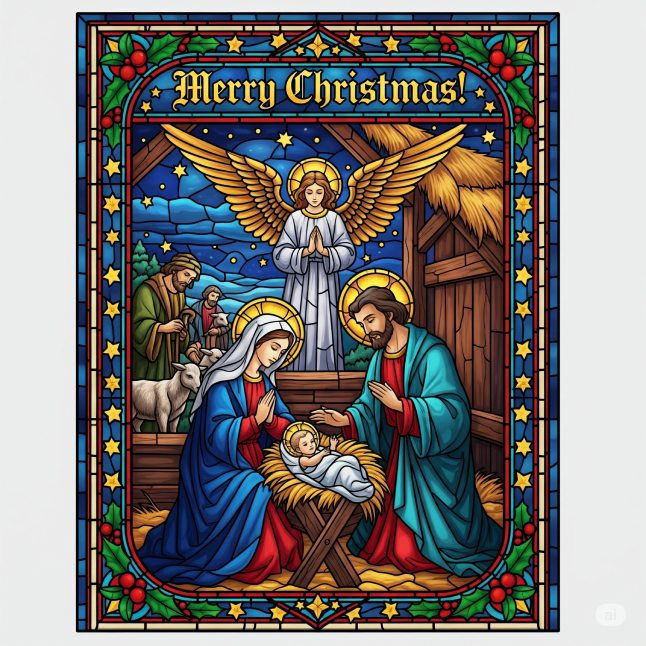
Celebrated on December 25th, Catholic Christmas is one of the most cherished holidays for billions of people worldwide. It’s a time when families gather, homes fill with the scents of gingerbread and pine, and a sense of wonder fills the air.
The History of the Holiday
The celebration of Christmas has its roots in early Christianity. The exact date of Jesus Christ’s birth is unknown. In the 4th century, the Roman Church officially designated December 25th as the day of celebration, aligning it with the winter solstice. This symbolic connection to “the light coming into the world” became a central theme for Christians.
Ancient Christmas: How It Was Celebrated
In the early centuries of Christianity, Christmas celebrations were very different. Early Christians didn’t celebrate birthdays, which they considered a pagan practice. The primary holiday was Easter, which celebrated Christ’s resurrection.
However, once Christmas became an official church holiday in the 4th century, its traditions began to merge with local pagan winter solstice festivals like the Roman Saturnalia and the Germanic Yule.
- How it was celebrated: Unlike the modern, family-focused holiday, Christmas in the early Middle Ages was often a time of public festivities, carnivals, theatrical performances, and even “feasts of misrule,” where social roles were temporarily reversed. It was a loud, joyous, and sometimes chaotic period.
- What they ate: The Christmas table was generally bountiful, but traditions weren’t yet solidified. Wealthy homes served dishes of wild game, roasted piglet, fruits, nuts, and various pies. A popular treat was the “Yule Boar,” a ritual dish with pagan origins.
- What they gave: The tradition of gift-giving did not immediately become a central part of the holiday. Its origins trace back to the Magi’s gifts to the baby Jesus (gold, frankincense, and myrrh), as well as pagan customs where people exchanged small presents during winter festivals. However, in those days, gifts were more often given by lords to their servants and the poor as an act of charity. The widespread exchange of gifts between family members, as we know it today, developed much later.
Traditions and Symbols
- Advent: The Christmas season is preceded by Advent—four weeks of anticipation and preparation. During this time, families light candles on an Advent wreath, symbolizing light and hope.
- The Christmas Tree: The tradition of decorating an evergreen tree originated in Germany. The fir tree symbolizes eternal life and hope. It is adorned with ornaments, lights, and figurines.
- Saint Nicholas (Santa Claus): The beloved Christmas character is based on Saint Nicholas the Wonderworker, known for his generosity and help to the poor. He is known by different names in various countries, such as Santa Claus in the U.S., Père Noël in France, and Weihnachtsmann in Germany.
- The Nativity Scene: Many homes and churches display a Nativity scene, a model of Christ’s birth in a stable. This tradition serves as a reminder of the humble conditions in which the Savior was born.
Christmas Dishes Around the World
The traditional Christmas meal is more than just food; it’s a reflection of each country’s cultural identity.
- United States: The main course is often a roasted turkey or ham with gravy, followed by pumpkin pie for dessert.
- Italy: The Christmas Eve meal, known as the “Feast of the Seven Fishes,” consists of dishes prepared from various types of fish and seafood.
- Poland: On Christmas Eve, families eat 12 meatless dishes, symbolizing the 12 apostles. These often include borscht with dumplings, carp, and kutia.
- United Kingdom: A roasted turkey with Brussels sprouts, Yorkshire pudding, and cranberry sauce is a common sight. For dessert, a Christmas pudding is served and often flambéed before eating.
- Germany: The traditional meal is a roasted goose or carp, along with stollen—a rich fruitcake with candied peel, nuts, and marzipan.
Christmas Gift Traditions
Gift-giving traditions also vary widely.
- United States: Gifts are brought by Santa Claus, who leaves them under the tree on Christmas Eve. Families open them together on the morning of December 25th.
- Italy: Presents are brought not by Santa Claus, but by a kind witch named La Befana. She arrives on the night of January 6th, leaving sweets for well-behaved children and coal for the naughty ones.
- Spain: Gifts are given not only on Christmas but also on January 6th, the Day of the Three Kings. It is believed that the Three Kings are the ones who bring gifts to children.
- France: Presents are brought by Père Noël (Father Christmas), who leaves them in shoes placed by the fireplace.

Conclusion
Christmas is more than just a date on the calendar. It’s a time when, despite cultural and historical differences, people worldwide unite in anticipation of a miracle. From the boisterous public festivities of ancient times to the cozy family evenings of today, the spirit of this holiday remains constant: it’s a beacon of hope, kindness, and love. May this article ignite the spirit of Christmas in your heart, even if it’s not yet December. We believe that the warm anticipation of the holiday is already a part of its magic.
If you enjoyed this journey into the history and traditions of this wonderful holiday, please share the article with your friends and family. Your support means a lot to us and helps us create more great content. If you’d like to support the author, we would be very grateful. Thank you for being with us!




 Support our blog! Buy us a coffee, and we'll show you the world! ☕🌍 We need your help! Even a small amount will help us continue to delight you with interesting travel articles. Thank you for your support! 💖